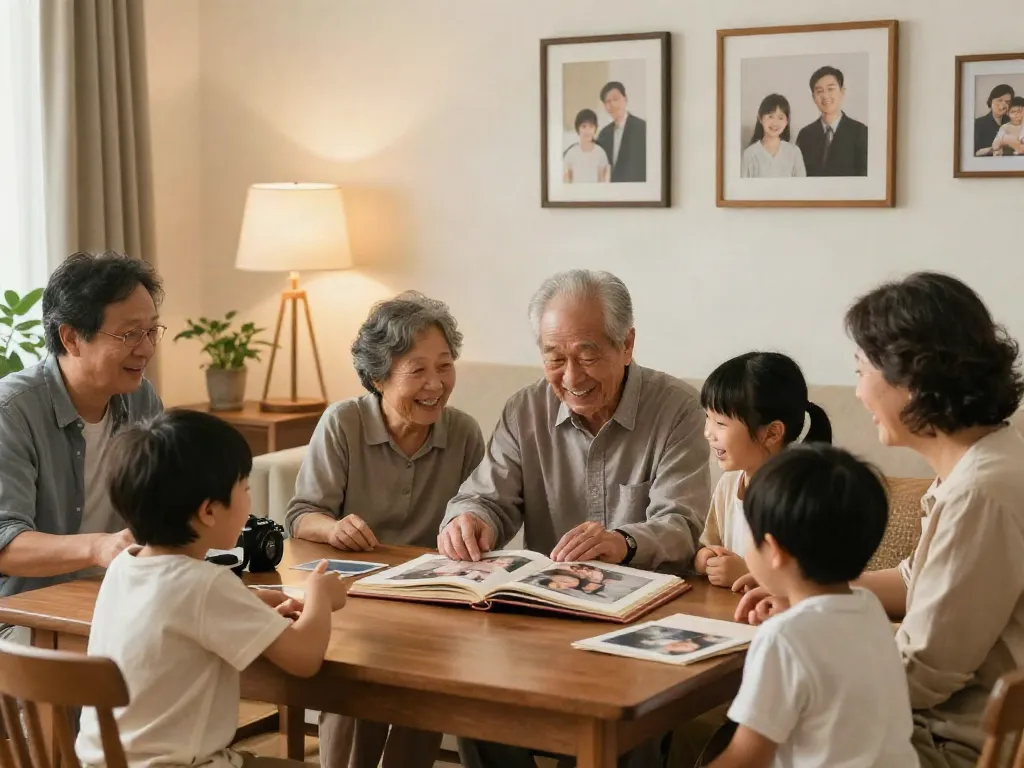
Understanding the Importance of Family Values
Family values are the core principles that guide us in our interpersonal relationships and help shape our identities. In today’s fast-paced world, where technology often replaces face-to-face interactions, the significance of family values, particularly the importance of honoring parents, cannot be overstated. As we navigate through life, our parents have played pivotal roles as our first teachers and moral compasses. By embracing these family values, we not only enrich our lives but also contribute positively to our communities. For instance, the rokok88 slot platform fosters family engagement through various interactive features that encourage meaningful connections.
Why Honoring Parents Matters in Modern Society
Honoring our parents is an essential societal norm rooted in respect and gratitude. In cultures worldwide, parents are revered for their sacrifices and unwavering support. In modern society, where individualism often takes precedence, nurturing respect towards parents and elders is crucial. This respect serves as a foundation for establishing emotional intelligence in younger generations, fostering empathy, and cultivating a sense of community. Furthermore, it reinforces positive behaviors and attitudes that help individuals lead fulfilling lives.
The Role of Family in Personal Development
Family serves as the primary unit for personal development and growth. Children learn values, ethics, and social skills within the familial structure. The interactions and experiences shared with parents shape their ability to form relationships and navigate complex social environments. When children observe their parents practicing respect and love toward their elders, they are more likely to emulate these behaviors in their own lives, thereby creating a cycle of respect that benefits future generations.
Lessons from Elders: Cultural Perspectives
Many cultures around the globe emphasize the wisdom and experience that elders possess. In communal societies, the elders are guardians of tradition and culture, passing down essential teachings to younger members. This exchange not only preserves cultural heritage but also instills a sense of belonging and identity within individuals. The lessons learned from these interactions are invaluable, as they provide insights into life’s challenges and the importance of resilience and respect.
How to Strengthen Family Bonds
Strengthening family bonds is vital for emotional well-being and fostering a supportive environment. Building strong relationships with parents and siblings involves active participation and effort from all family members. By integrating activities that encourage interaction, families can enhance communication and understanding. Simple gestures, such as shared meals or game nights, can significantly improve relationships and create lasting memories. Using platforms like rokok88 further enhances these interactions by providing fun, engaging activities that can include the whole family.
Practical Ways to Show Respect to Parents
- Engage in open conversations about their lives and experiences.
- Offer assistance with daily tasks or projects they are involved in.
- Celebrate their achievements and milestones, no matter how small.
- Practice active listening when they share their thoughts.
- Show appreciation through small gestures, such as writing a note or giving a thoughtful gift.
Creating Moments of Togetherness
Creating moments of togetherness involves intentional efforts to spend quality time with family members. This could be as simple as scheduling regular family dinners, having game nights, or even going on short vacations together. Engaging in shared activities not only strengthens relationships but also creates a supportive environment where emotional connections thrive. Activities can range from outdoor excursions to indoor hobbies, ensuring that every family member finds joy in the shared experiences.
Encouraging Open Communication in Families
Open communication is the cornerstone of healthy family dynamics. Parents and children should feel comfortable discussing their thoughts and emotions without fear of judgment. Creating a safe space for dialogue fosters trust and understanding. Regular family meetings can help everyone voice their opinions and contribute to decision-making processes, ensuring that all members feel valued and heard. Listening without interruption and validating each other’s feelings are crucial steps toward building a strong communication foundation.
Integrating Technology in Family Life
In our increasingly digital world, technology plays a prominent role in family interactions. Utilizing technology can support family bonding when used mindfully and intentionally. While gadgets can sometimes create barriers, they can also serve as bridges to enhance engagement and connection among family members. For instance, the rokok88 slot games provide an entertaining way for families to interact and bond through shared gaming experiences, promoting teamwork and cooperative play.
The Benefits of Using rokok88 Slot for Family Engagement
The rokok88 slot platform offers unique gaming experiences that promote family engagement. By playing together, families can strengthen their bonds, enhance communication, and foster a sense of teamwork. Additionally, these games can be tailored to accommodate various interests and age groups, making them inclusive for everyone in the family. Engaging in friendly competition can also serve as a fun way to develop healthy relationships and improve problem-solving skills.
Digital Tools for Family Connections
There are numerous digital tools available that can enhance family connections. Video calling platforms, group chat applications, and collaborative calendars can help families stay in touch, especially if they live far apart. Utilizing these tools allows families to share daily updates, plan events, and even host virtual family gatherings. By embracing technology, families can maintain their connections no matter the distance.
Balancing Screen Time with Family Activities
While technology can foster connections, it is crucial to balance screen time with meaningful family activities. Setting boundaries for device usage during family gatherings ensures that everyone is present and engaged. Designating device-free times, such as during meals or family game nights, encourages deeper interactions and strengthens bonds. By prioritizing face-to-face communication, families can foster a more positive and supportive environment.
Spirituality and Family Ties
Spirituality often plays a significant role in the dynamics of family relationships. Many families find solace and strength in shared beliefs and practices. Such spiritual connections can help individuals reflect on their values and reinforce their relationships with parents and elders. Embracing spirituality within the family unit fosters a greater understanding of life's purpose, encouraging each member to prioritize respect and love for one another.
Understanding Spirituality in Familial Relationships
Spiritual practices can vary widely from family to family, but they often include traditions such as prayer, meditation, or collective activities that celebrate cultural heritage. Engaging in these practices together can deepen family bonds and create a nurturing environment. Families that share spiritual experiences often find a sense of unity that transcends everyday life challenges, solidifying their relationships.
How Respect for Parents Cultivates Emotional Well-being
Respect for parents is not just a moral obligation; it's a fundamental aspect of emotional health. Children who learn to honor their parents tend to develop higher self-esteem and confidence. Recognizing the sacrifices made by parents fosters gratitude, leading to improved mental health. This respect creates a nurturing cycle where parents feel appreciated and valued, further enhancing their well-being and fostering a positive family atmosphere.
The Role of Family Traditions in Spiritual Growth
Family traditions often serve as the backbone of spiritual growth. Whether it is celebrating holidays, participating in rituals, or engaging in volunteer work as a unit, these traditions create meaningful experiences that enhance familial ties. Such practices help families navigate life's ups and downs, instilling resilience and shared values that are crucial for personal development.
Looking Ahead: Trends in Family Dynamics for 2026
As we look toward the future, several trends are emerging that will shape family dynamics. The integration of technology will continue to evolve, influencing how families interact and communicate. It will be critical for families to adapt and embrace these changes while maintaining core values, especially those associated with honoring parents and respecting elders. Understanding these trends will help families navigate the future with confidence and unity.
Future Impacts of Technology on Family Relationships
With advancements in technology, families will face both opportunities and challenges in their relationships. Virtual reality and augmented reality may begin to alter how families share experiences. By creating immersive environments, technologies can facilitate new ways of interaction that bring families closer together, especially during times of physical separation.
Emerging Trends in Family Engagement Activities
New forms of family engagement activities are emerging as families seek creative outlets for bonding. Activities like geocaching, online cooking classes, and virtual game nights are gaining popularity. These unique experiences will allow families to explore interests together while nurturing their relationships, regardless of geographical limitations.
Potential Challenges and Solutions for Modern Families
Modern families may encounter various challenges, including balancing work-life commitments, managing technology use, and maintaining strong relationships. To navigate these obstacles, families can create structured routines, set clear boundaries, and embrace open communication. By proactively addressing these issues, families can foster resilience and adaptability in an ever-changing world.
How can we honor our parents while engaging with technology?
Honoring our parents in the digital age requires mindfulness about how we use technology. Setting aside designated family time without devices can promote personal interactions that honor familial relationships. Encouraging discussions about technology's role in family life can also help bridge generation gaps and foster mutual understanding.
What are the benefits of encouraging family discussions about values?
Encouraging family discussions about values promotes critical thinking and reinforces shared beliefs. These discussions can help family members align their goals, strengthen relationships, and cultivate mutual respect. By addressing values openly, families can foster a culture of honesty and integrity.
How does respect for parents impact community well-being?
When families demonstrate respect for parents, the effects extend beyond the household into the community. Such values contribute to a culture of respect and kindness, ultimately enhancing societal well-being. Communities with strong family foundations are often more cohesive and supportive, fostering environments where individuals thrive.
What role does spirituality play in modern family dynamics?
Spirituality can significantly influence modern family dynamics by providing a shared purpose and framework for values. Families that engage in spiritual practices often have stronger emotional ties, enabling them to navigate challenges together more effectively. A focus on spirituality can enhance the overall well-being of family members, promoting deeper connections.
How can families effectively balance technology and quality time?
Families can achieve a healthy balance between technology and quality time by setting boundaries on screen usage and prioritizing shared activities. Establishing device-free zones and times, such as during meals or family game nights, fosters meaningful interactions. Encouraging technology use for family engagement, rather than isolation, can create a more supportive and connected family environment.